Proactive Macbook Pro Offsite Backup Secrets
Data is now the lifeblood of businesses in the digital age we live in. Losing any of this crucial information, including customer, financial, and operational data, can have disastrous repercussions. Small businesses require a dependable and secure backup option that can effectively protect their data because of this. Small businesses can benefit greatly from cloud-based backup because it offers flexibility, scalability, and comfort.
- Recognizing Cloud-based Backup
- Advantages of Cloud-based Backup for Small Businesses
- Cloud-based Backup Solutions ' Security Features
- Choosing the best Cloud-based Backup Service
- How to set up Cloud-based Backup for Your small business
- Automated Backup vs. Manual Backup: Which is Better?
- Cloud-based Backup to Reduce Downtime
- Using a cloud-based backup to ensure data compliance
- Data access and recovery from a cloud-based backup
- Disaster recovery planning with cloud-based backup
- Comparing on-premise backup solutions to cloud-based backup
- Cost-effectiveness and Scalability of Cloud-based Backup
- Getting Past Common Obstacles in Cloud-based Backup Implementation
Understanding cloud-based backup
Dynamic Backup Solution For Vultr For Home Use
The process of storing data on remote servers accessed via the internet is known as cloud-based backup. Businesses can securely store and access their data whenever and wherever they want, as opposed to relying on physical backup tools like hard drives or tapes. Hardware failure, loss, and theft are all eliminated as a result.
Benefits of Small Business Cloud-based Backup
For small businesses, cloud-based backup offers a number of benefits. Data is continuously protected without manual intervention thanks to the automatic backups it offers. Additionally, cloud-based backup enables simple scalability, allowing you to expand your storage space as your company expands. Additionally, it lowers the price of hardware upgrades and maintenance.
High-speed Hyperv Server Comparison
Cloud-based backup solutions' security features
To safeguard your data, dependable cloud-based backup solutions provide strong security features. To make sure that only authorized people can access it, these include encryption, both during transit and at rest. Multi-factor authentication and other advanced authentication techniques add an additional layer of security. To ensure data integrity, regular audits and compliance certifications are also required.
Picking the best Cloud-based Backup Service
Next-gen Back Up External Hard Drive To Cloud For Startups
Consider elements like reputation, dependability, and customer support when choosing a cloud-based backup provider. Find service providers who have a history of uptime and data protection. To comprehend their dedication to data recovery and restoration, evaluate their service level agreements ( Slas ). To find a solution that meets your company's needs, evaluate their pricing strategies and scalability options as well.
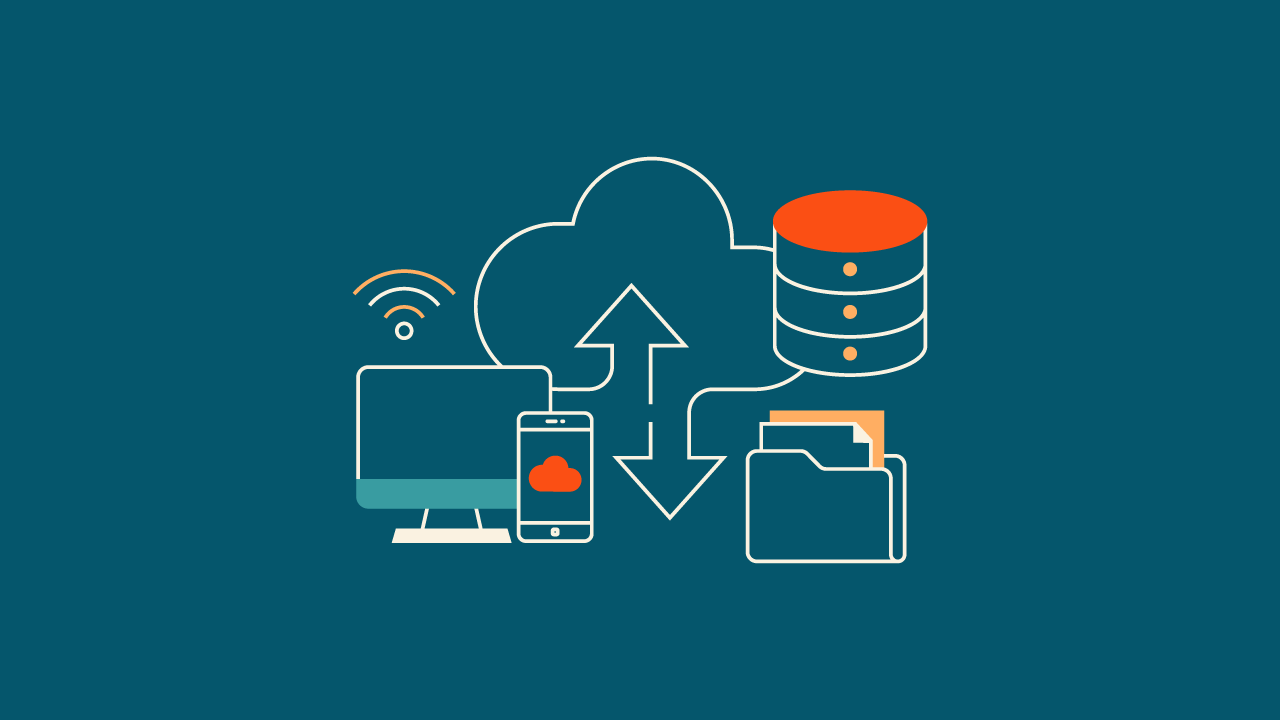
Implementing Cloud-based Backup for Your small business: Steps
The process of implementing cloud-based backup involves several steps. First, thoroughly evaluate your data storage needs and spot any important backup data. After that, pick a reliable cloud-based backup service provider and work out an agreement. Choose suitable retention policies and set up backup schedules. To ensure data recoverability, keep an eye on and test your backups on a regular basis.
Secure Windows Offsite Backup User Manual
Automated Backup vs. Mssql Server. Manual Backup: Which is Better?
Automated backups provided by cloud-based backup systems are much more dependable than manual ones. Human error is reduced by automated backups, which also guarantee consistent data protection without manual intervention. It decreases the likelihood of data loss brought on by forgetfulness or negligence while saving time and resources.
Using cloud-based backup to reduce downtime
Cloud-based Backup Solution For Small Business Toolkit
The ability to shorten downtime during data loss events is one of the key benefits of cloud-based backup. Businesses can quickly recover lost data and resume operations with regular backups stored in the cloud. The effect on productivity and customer satisfaction is reduced as a result. The downtime will decrease as the data can be restored more quickly.
Using a cloud-based backup to ensure data compliance
Depending on their industry and location, businesses must abide by a variety of data protection laws. By providing access controls, audit logs, and data encryption, cloud-based backup solutions can assist in meeting these compliance requirements. To avoid legal repercussions and safeguard sensitive customer information, it is essential to choose a provider who abides by pertinent industry standards.
Easy-to-use Remote Backup Windows 8 Innovations
Using a cloud-based backup to access and restore data
Accessing and restoring data whenever necessary is simple with cloud-based backup solutions. With an internet connection, authorized users can access files and folders from any location. Businesses can quickly recover their crucial data in the event of unintentional deletion, hardware failure, or cyberattacks thanks to the data restoration process, which is typically simple.
Disaster Recovery Planning with Cloud-based Backup
Essential Internet Backup Server Case Studies
Disaster recovery planning relies heavily on cloud-based backup. Businesses can safeguard their data from physical disasters like theft, fires, and floods by keeping backups off-site in secure data centers. Businesses can quickly resume operations and recover their crucial information in the event of a disaster thanks to cloud-based backup.
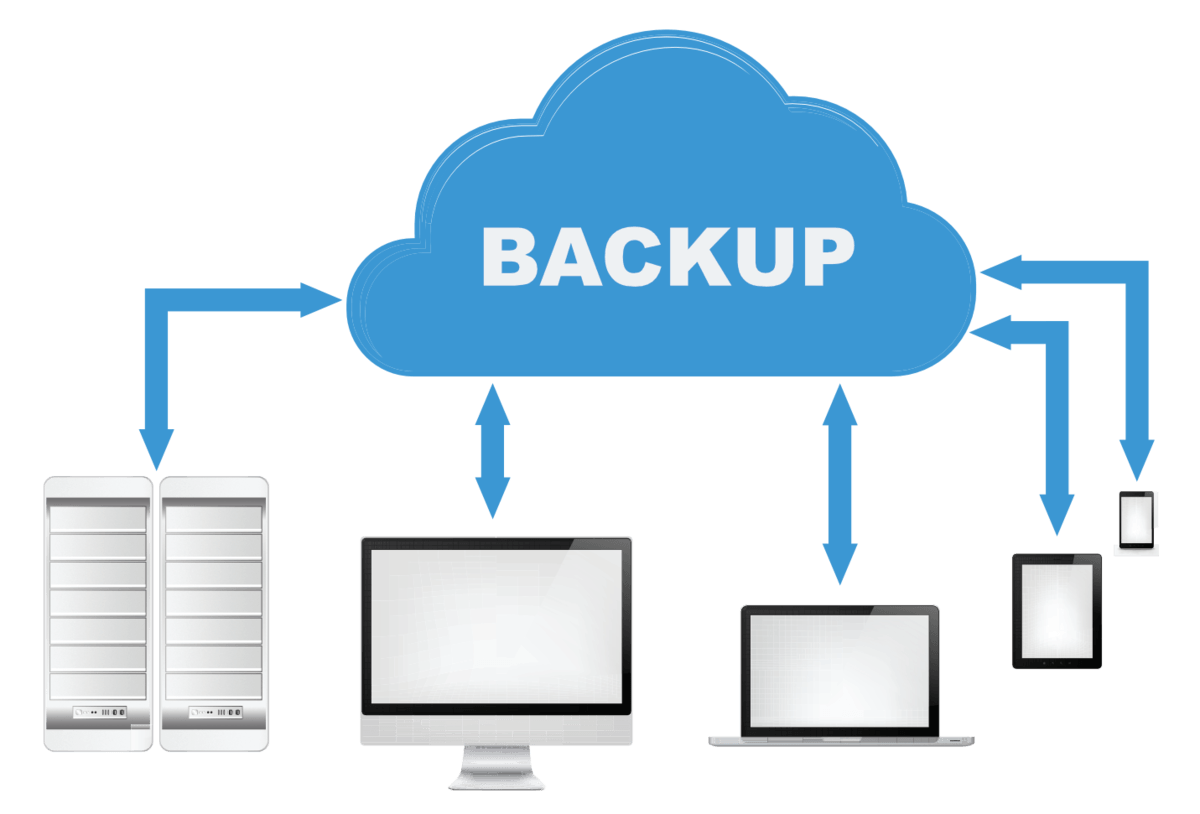
Comparing cloud-based backup to on-premise backup solutions
Compared to conventional on-premise backup solutions, cloud-based backup has a number of advantages. There is no need for pricey hardware investments or ongoing maintenance with cloud-based backup. In addition, cloud-based backup offers more accessibility, scalability, and flexibility than on-premises backups, which are constrained by physical infrastructure.
Innovative Automated Backup Offsite For the Modern Era
Scalability and cost-effectiveness of cloud-based backup
Businesses can scale up or down their storage capacity using cloud-based backup solutions because they are so scalable. Small businesses can afford it because of its scalability, which ensures that they only pay for the storage they need. Additionally, cloud-based backup makes it unnecessary to buy extra hardware or spend money on It infrastructure.
Getting Past Common Obstacles in Cloud-based Backup Implementation Remote Backup Macbook Time Machine.
User-friendly Backup Solution For Softwares Ultimate Guide
Although cloud-based backup has many advantages, small businesses may find it difficult to implement. Large data volumes, potential bandwidth restrictions during peak hours, and the requirement for consistent internet check this connectivity all contribute to slow initial backups. But with the right planning, monitoring, and backup provider selection, these difficulties can be reduced.
Messages to Remember:
Small businesses can be flexible, scalable, and at ease with cloud-based backup.
For cloud-based backup solutions to protect data, security features like encryption and authentication are crucial.
For data protection, it's essential to pick a reputable and trustworthy cloud-based backup provider.
- Data assessment, provider selection, configuration, and monitoring are all components of cloud-based backup implementation.
- Cloud-based solutions' automated backups are more dependable than manual ones.
- Cloud-based backup facilitates quick data restoration and lowers downtime during data loss events.
- Security measures for cloud-based backups can be used to comply with data protection regulations.
- Data can be easily accessed and restored from any location with an internet connection thanks to cloud-based backup.
Offsite backups provided by cloud-based solutions improve disaster recovery planning.
- Cost-effectiveness and scalability are advantages of cloud-based backup over on-premises solutions.
Businesses can scale cloud-based backup so they only need to pay for the storage they require.
- With careful planning and picking the right provider, common obstacles to implementing cloud-based backup can be overcome.
Real-time Windows 11 Cloud Backup Guide

Keep in mind that small businesses may suffer greatly from data loss. You can safeguard your important data and guarantee business continuity with cloud-based backup.
Key Takeaways or a related phrase:
- Cloud-based backup reduces loss risk and ensures data protection.
- Flexible and scalable cloud-based backup solutions are advantageous for small businesses.
Data integrity is ensured by security features like encryption and authentication.
For dependable cloud-based backup services, picking a reputable provider is crucial.
Data assessment, provider choice, and configuration are appropriate implementation steps.
- Automated backups save time and lower the chance of human error.
- Cloud-based backup speeds up data restoration and reduces downtime.
- Cloud-based backup makes it possible to comply with data protection regulations.
Through cloud-based backup solutions, data can be easily accessed and restored.
- Cloud-based backup's offsite storage improves disaster recovery planning.
In terms of cost and scalability, cloud-based backup has an advantage over on-premise solutions.
Scalability guarantees cost-effectiveness in the implementation of cloud-based backups.
- With the right planning, difficulties like slow initial backups can be overcome.
- Successful cloud-based backup implementation depends on reliable internet connectivity.